
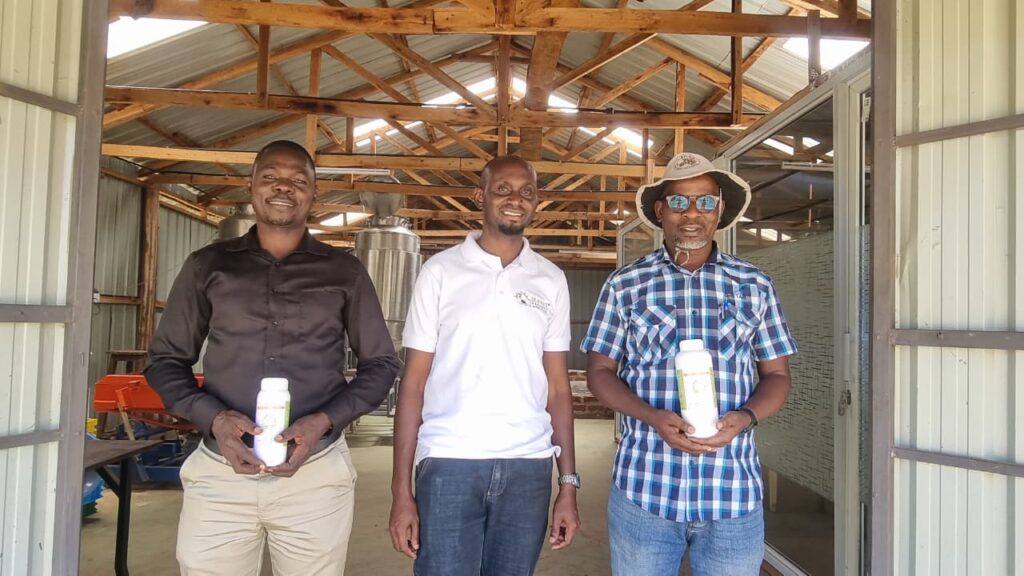
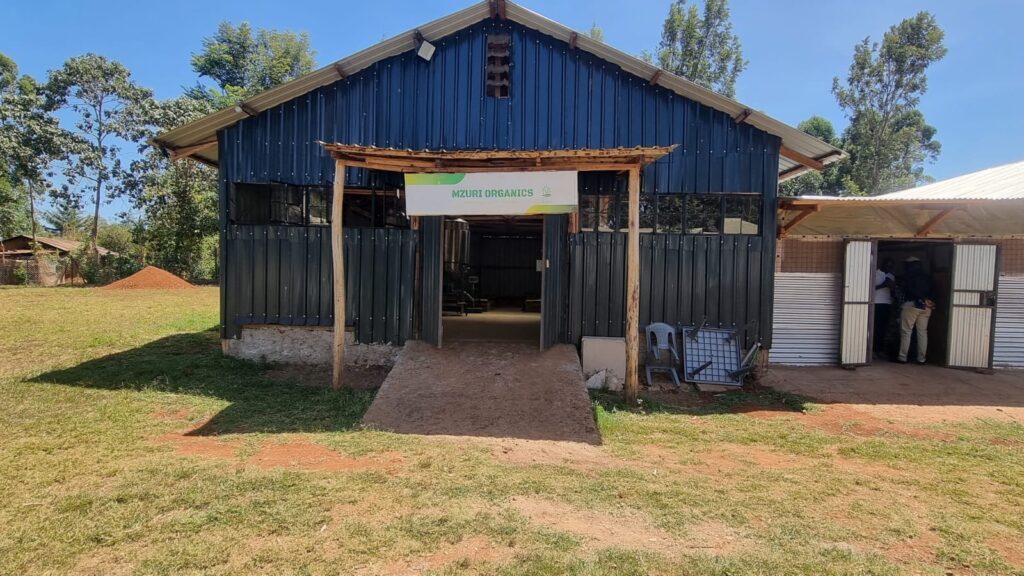
On 22 January 2026, the University of Eldoret’s TAGDev 2.0 team paid a courtesy visit to Mr. Allan Ligare of Mzuri Organics, marking a key step toward deeper collaboration in regenerative agriculture and youth agribusiness development. The delegation, led by the Head of Business Development Services, Dr. George Ariya, engaged in insightful discussions on vermiculture production, organic farming systems, and value addition centred on the potential of vermicompost and other organic inputs to transform agricultural productivity and enterprise opportunities.
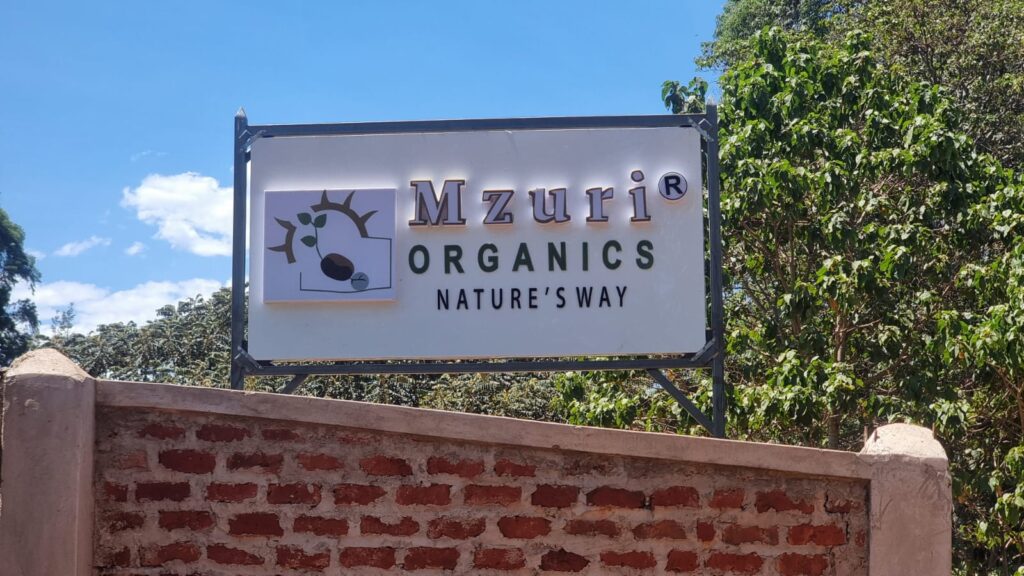
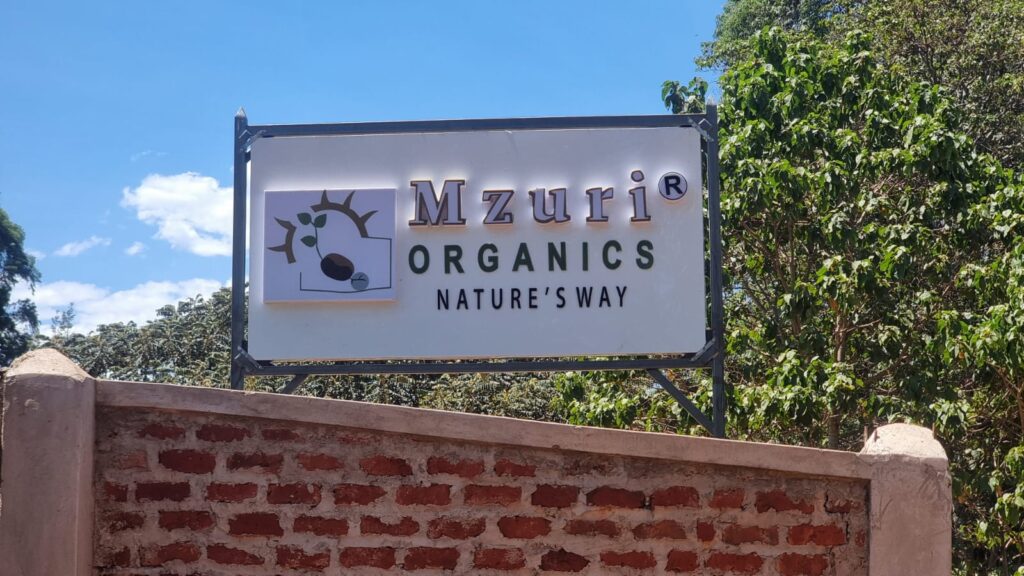
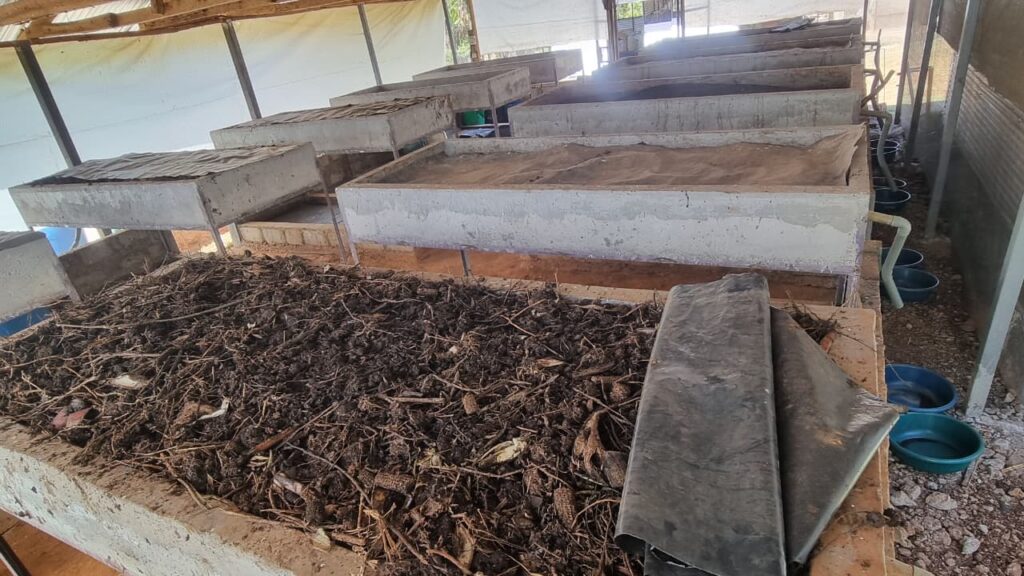
At Mzuri Organics, regenerative agriculture is not just a concept, it is a mission. The organization works directly with smallholder farmers to restore soil health, convert organic waste into high-value products like liquid and solid biofertilizers, vermicompost, and nutrient rich animal feeds, and advance community-based production models that improve yields while protecting the environment. By harnessing natural bioconversion processes involving Black Soldier Fly larvae and red worms, Mzuri Organics regenerates degraded soils and creates resilient, climate-smart farming systems that uplift rural livelihoods.
Why TAGDev 2.0 Matters
The TAGDev 2.0 programme(Transforming African Agricultural Universities to Meaningfully Contribute to Africa’s Growth and Development) is a transformative initiative supported by the Regional Universities Forum for Capacity Building in Agriculture (RUFORUM), and a consortium of 15 African universities, including University of Eldoret. The program aims to equip young people with the skills, knowledge, and networks needed to drive inclusive, equitable, and climate resilient transformation across agricultural and agrifood systems.
By aligning academia with real-world enterprise and innovation, TAGDev 2.0 addresses a central challenge in many African economies: translating agricultural education into job creation, innovative business models, and sustainable value chains. The programme supports experiential learning, entrepreneurship incubation, and community engagement enabling youth to become job creators rather than job seekers in agribusiness sectors.
A Shared vision for sustainable agriculture and youth empowerment
During the visit, discussions centered on how vermiculture and vermicompost can be scaled into viable projects that not only improve soil fertility and crop yields, but also become income-generating enterprises for young people. Vermicompost, a nutrient-rich organic soil amendment produced through the activity of earthworms, is a cornerstone of regenerative agriculture, enhancing soil structure, water retention, and microbial activity. Its production can be adopted as a youth-led agribusiness, connecting science-based practices to market-ready solutions that benefit both farmers and entrepreneurs.
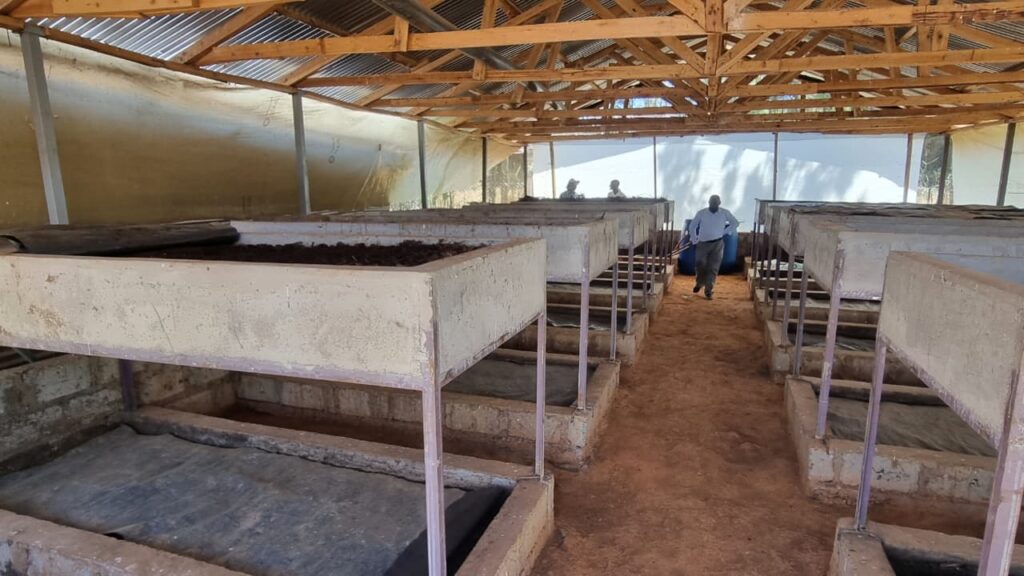
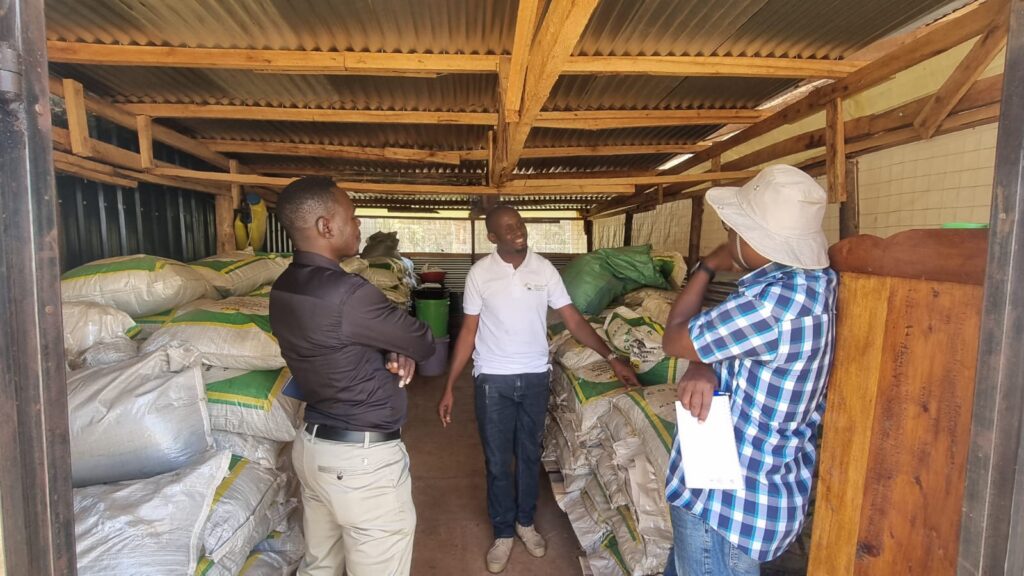
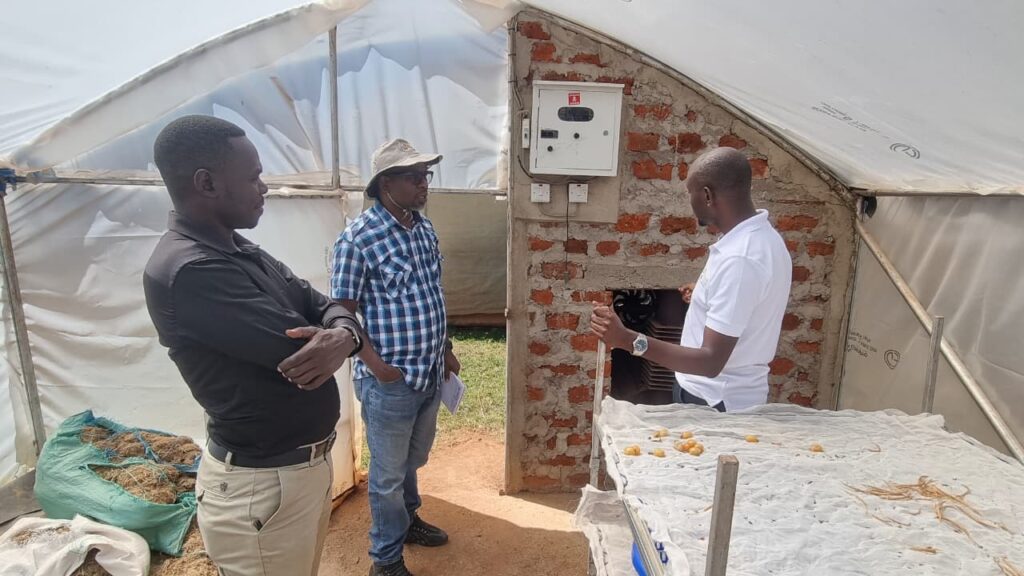
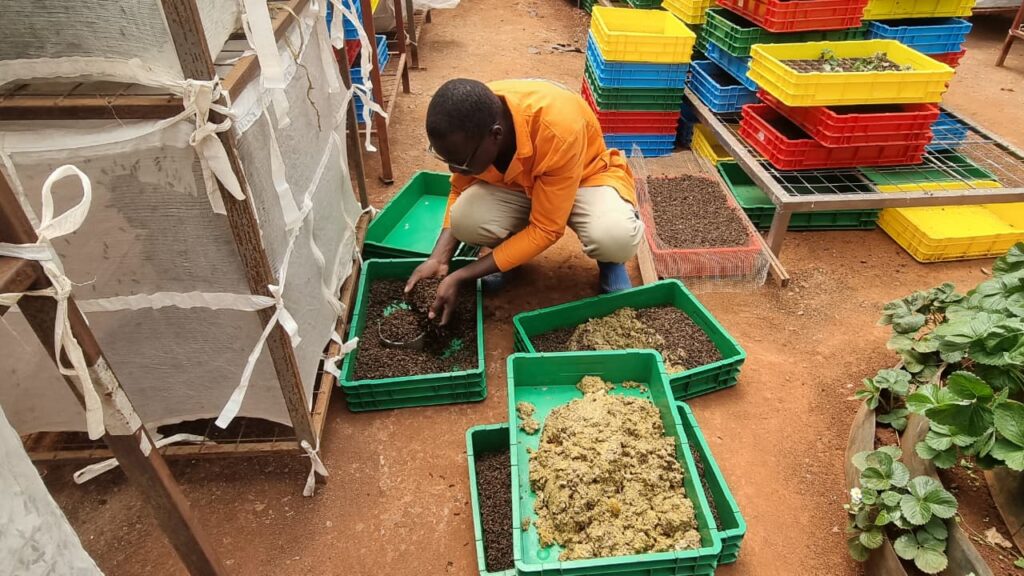
The dialogue also opened pathways for potential partnerships, with both teams exploring ways to integrate practical training, research collaboration, and innovation exchange into the TAGDev 2.0 framework. By leveraging Mzuri Organics’ hands-on experience with biofertilizer and vermiculture production, and TAGDev 2.0’s capacity building and academic outreach, the collaboration promises to strengthen sustainable agriculture education, foster youth-driven agribusiness ventures, and support environmentally responsible farming at scale.
The visit affirmed TAGDev 2.0’s commitment to promoting practical, market-driven solutions that empower farmers and youth, stimulate rural economies, and advance transformational agriculture in Kenya and beyond. By connecting institutional expertise with entrepreneurial ecosystems like Mzuri Organics, the programme reinforces a shared vision for sustainable agricultural transformation, climate adaptation, and inclusive economic growth ensuring that agriculture remains a source of opportunity for the next generation of innovators and stewards of the land.